


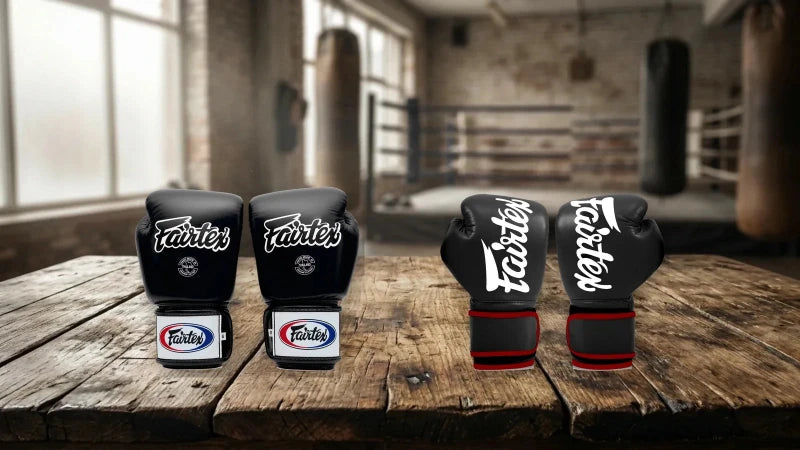
Leather is not automatically better, and “synthetic” is not one material. Cowhide, goatskin, microfiber, engineered leather and entry vinyl differ in feel and care, but the glove's foam, hand compartment, cuff and construction still decide whether it suits your training.
| Shell | Useful reason to choose it | Main caution |
|---|---|---|
| Genuine leather | Traditional feel and a shell that can relax with normal use | Needs material-safe drying and care; no fixed lifespan |
| Microfiber | Non-leather, consistent and generally easy to wipe | Not leather; models and coatings vary |
| Engineered or synthetic leather | Can balance cost, consistency and specific design goals | The label says little without exact material disclosure |
| Entry vinyl or PU coating | Lower entry cost for lighter use | Quality and resistance to cracking vary widely |
What genuine leather changes
Leather can soften and develop surface character through normal use. That can improve hand feel when the glove already fits, but it does not turn a cramped glove into the right size. Leather also needs controlled cleaning, full drying and only manufacturer-approved conditioning.
The Fairtex BGV1 and Fairtex BGV9 both use genuine leather, yet they do different jobs. BGV1 is the compact mixed-training route; BGV9 is the denser bag-and-pad route. Material does not erase model purpose.
Why microfiber deserves its own category
Microfiber is an engineered non-leather shell, not a polite word for cheap vinyl. The Fairtex BGV14 uses microfiber and is positioned for general bag and pad training. Fairtex also specifies a longer wrist section and easy-care role.
The YOKKAO Essential is another microfiber route, positioned by YOKKAO as an entry model. Its lower-price role comes with China manufacture rather than the cowhide, Thai-made Matrix construction. That is a verified construction tradeoff, not a claim that one will always last longer. Compare YOKKAO boxing gloves by model if you are weighing microfiber against cowhide.
What “synthetic leather” can hide
A synthetic label can describe very different coatings, textiles and backing layers. If the product page does not name the material, do not infer microfiber quality, breathability, moisture resistance or durability.
Judge the exact glove by:
- Declared shell material
- Intended training use
- Wrapped-hand fit
- Foam and padding feel
- Closure and cuff
- Care instructions and warranty
Does leather last longer?
It can, but no material-only lifespan is defensible. Training frequency, bag use, sweat, stitching, foam, lining, storage and care matter. A well-built microfiber glove can outlast a poorly built leather glove; a leather shell can remain intact after the internal padding is no longer suitable.
Replace based on condition, not a promise of one, three or five years.
Which is easier to clean?
Microfiber and many synthetics are straightforward to wipe and do not need leather conditioner. Genuine leather needs gentle exterior care and may allow a light conditioner approved for that finish. Both need the same core routine: remove wraps, wipe the interior, open the closure and air-dry fully.
Use the boxing glove cleaning guide for the exact process.
Which is better for beginners?
Choose the model that fits the class, hand and budget. Fairtex BGV1 is a leather all-round route; BGV14 is a microfiber general-training route; YOKKAO Essential is a value-led microfiber route. None is automatically right for sparring without gym approval.
Which is better for frequent training?
Frequency increases the importance of construction, drying time and rotating pairs. It does not make leather an automatic answer. If the glove never dries, either material can fail early. A second pair may be more useful than upgrading the shell alone.
Material does not decide padding or fit
Two cowhide gloves can have different hand compartments, foam density and cuff structures. Two microfiber gloves can feel equally unrelated. Compare the exact model in the session it is meant to handle; shell material is one input, not the final verdict.
Decision shortcut
- Choose leather when you value the exact model's traditional shell and accept its care needs.
- Choose microfiber when you want a verified non-leather shell and easy-care route.
- Choose entry synthetic when lower initial cost matters and the exact model still meets the class requirement.
- Choose neither by material alone when fit, padding or intended use points elsewhere.
If environmental claims affect the purchase, read the eco-friendly boxing glove verification guide. A non-leather shell is not automatic proof of lower impact.
Return to the boxing and Muay Thai glove hub for the full decision or compare our boxing and Muay Thai gloves.
Material changes the care conversation, not the whole glove
Leather can develop a supple feel and may respond to a compatible conditioner. Microfiber is engineered and does not need leather treatment. Vinyl and other synthetics vary widely. But the shell sits around the same bigger decisions: padding, lining, seams, fit and closure.
A badly fitting leather glove is still a bad purchase. A well-built microfiber glove is not a compromise simply because it is non-leather.
Choose by use frequency and tolerance for care
- Occasional beginner training: prioritize fit, coach approval and a sensible return path. Material comes later.
- Frequent humid sessions: compare lining, drying time and how easily the exterior wipes clean.
- Non-leather preference: look for a named material, not the vague phrase “synthetic leather.”
- Long-term ownership: inspect construction and care habits; no shell label guarantees years of use.
A real side-by-side comparison
Compare a leather all-rounder with the Fairtex BGV14. Use the same wraps. Check fist formation, thumb, cuff, interior volume and the session each model is built to handle. Then factor in material preference. This keeps the decision grounded in two actual gloves instead of two abstract material stereotypes.
Care without guesswork
After training, wipe and air-dry either material. Use a cleaner or conditioner only when it is compatible with the exact shell. Never soak the glove or use heat to speed drying. Most early odor problems come from trapped moisture, not from choosing the “wrong” exterior.