


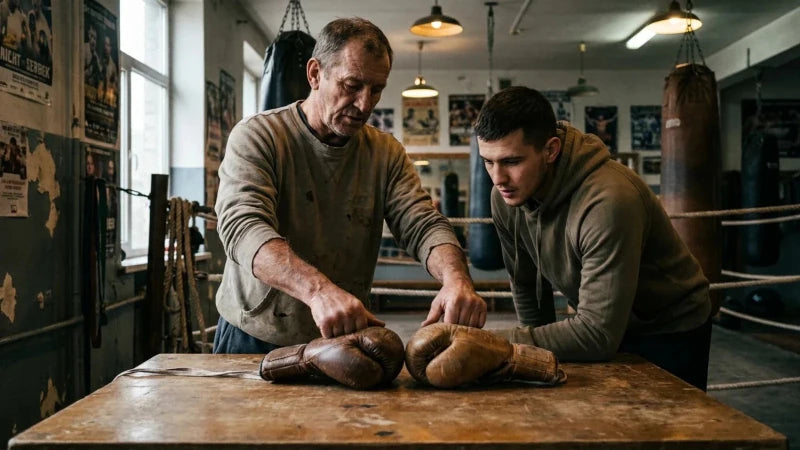
Boxing glove padding cannot be judged by ounces alone. Foam density, layering, shape, placement, hand compartment and condition determine how a glove feels on bags, pads or a partner. Two 16 oz gloves can have very different feedback and sparring suitability.
| Padding feel | Common use | Main tradeoff |
|---|---|---|
| Dense and direct | Bags and pads | May be unsuitable for regular partner work |
| Balanced all-round | Mixed class training | Not optimized for every session |
| Rounded and more cushioned | Coach-approved sparring | Bulkier with softer bag feedback |
| Low-profile fight padding | Sanctioned competition | Not an everyday sparring choice |
What is inside a boxing glove?
Manufacturers may use latex foam, polyurethane foam, EVA, layered combinations or molded systems. The shell holds the system together; the lining and hand compartment position the fist. A material name alone does not establish force reduction, lifespan or safety.
The Fairtex BGV1 uses a three-layer foam system in a compact all-round glove. The Fairtex BGV9 uses two layers of high-density latex foam and is positioned for bags and targets. The Fairtex BGV19 adds thicker, rounder knuckle padding to a deliberately tight fit. Those verified differences are more useful than a generic “multi-density is best” rule.
Density changes feedback
Denser padding generally compresses less under a given touch and can feel more direct on a bag or pad. Softer or more rounded padding can feel more forgiving in controlled partner work. Neither feel is universally superior, and neither guarantees a medical outcome.
A glove can also combine densities so the response changes through the foam depth. Without a manufacturer specification or lab test for the exact model, do not assign impact-reduction percentages.
Placement and shape matter as much as material
Padding centered over the knuckles, wrapping around the back of the hand or extending toward the thumb changes bulk and movement. A rounded glove can spread its volume differently from a flatter puncher's profile. Fit decides whether that shape actually stays aligned on your hand.
Bag padding and sparring padding
Bag specialists are built for repeated contact with equipment and often favor firmer feedback. Sparring-oriented gloves usually carry a partner-approved padding profile at the gym's required weight. Repeated bag work can compact or harden the striking surface, which is one reason many regular trainees keep separate pairs.
The model, not the label, still controls. Ask the coach to feel the exact glove before sparring. “16 oz” does not prove that a worn or dense glove belongs in partner rounds.
Does more padding mean a heavier glove?
Often, but ounces are total glove weight, including shell, lining, cuff and closure. They do not tell you foam thickness, density or internal size. Use the boxing glove weight guide for the ounce decision, then judge padding separately.
How padding affects movement and fatigue
More bulk can change how quickly the hand opens, how the guard feels and how easily a clinch position is reached. A compact glove can feel quicker but may be too tight or direct for the intended session. These are equipment-feel tradeoffs, not promises that a glove improves speed, power or endurance.
How to inspect padding
- Press across the striking surface and compare both gloves.
- Look for hard spots, hollows, lumps or shifted foam.
- Make a fist and confirm the pad stays centered.
- Check seams and shell for openings that expose foam.
- Have the coach inspect any glove intended for partner work.
Padding does not need a fixed replacement date. Retire the glove from impact or partner use when its foam becomes uneven, permanently compressed, displaced or exposed. Cleaning cannot restore a failed padding system.
Can boxing glove padding be repaired?
Do not open a glove and add foam yourself. Changing padding, stitching or shell tension can create an uneven striking surface. For training equipment, replacement is normally cleaner than an unverified structural repair. Competition gloves remain subject to event inspection.
Choose by session
Choose BGV9 when dense bag-and-pad feedback is the deliberate job. Choose BGV1 when one compact all-round training route fits. Consider BGV19 when you want its tighter compartment and rounder padding. Use the Muay Thai glove use-case comparison and the complete glove buying hub before browsing the current glove collection.
Padding changes the punch before it changes the number
Two gloves can weigh the same and put that weight in different places. More mass near the knuckles changes feedback. A broader foam shape changes the contact surface. A long cuff moves some weight toward the wrist. That is why an ounce label cannot predict how quickly a glove feels, how naturally the fist closes or how a coach judges it for sparring.
Bag feedback and partner protection are different targets
A bag-focused glove can use a firmer, more direct feel so the striker notices alignment. A sparring-oriented glove needs a contact profile the coach accepts for another person. Neither word guarantees the result. Padding condition, athlete size, intensity and gym rules still matter.
The Fairtex BGV9 is a useful example of a bag-and-pad route. Compare it with an all-round or sparring-oriented model by job, not by asking which one has “better foam.”
How worn padding announces itself
- The knuckle area feels flatter or harder than it did.
- One glove feels different from its mate under the same pressure.
- The foam shifts, bunches or leaves a visible hollow.
- Your knuckles start feeling contact they did not feel before.
- A coach rejects the surface for partner work.
Do not home-repair a failed foam core and return the glove to sparring. Once the contact system is uncertain, retire it from partner use.